Why Healthy Boundaries Matter When Dating in Your Prime
Entering the dating scene in your 50s or 60s is a vastly different experience than it was in your 20s. By now, you have likely built a life you are proud of—one filled with established routines, long-term friendships, and perhaps deep family commitments like supporting adult children or enjoying time with grandchildren. Whether you are returning to dating after a divorce, a long separation, or the loss of a partner, the goal isn't to find someone to "complete" you, but rather someone to complement the full life you already lead. This is where healthy boundaries become your most valuable tool.
Setting boundaries isn't about building a wall or keeping people at an emotional distance; it is about defining the space where you can be yourself while inviting someone else in. It is important to distinguish between reasonable boundaries and controlling behaviour. A boundary is a limit you set for your own well-being, such as: "I prefer not to have guests over past 9 PM on weeknights." Controlling behaviour, on the other hand, seeks to limit the other person’s freedom. When you are dating over 50, being clear about your needs from the start prevents misunderstandings and ensures that your new relationship enhances your life rather than complicating it.
"Boundaries are the distance at which I can love you and me simultaneously." — Prentis Hemphill
Before you even head out on your first date at a local surf club or a quiet café in the Dandenongs, take a moment to identify your non-negotiables. Consider these areas of your Australian lifestyle:
- Established Routines: Do you have a standing Saturday morning walk at the local parkrun or a Tuesday night trivia group? Your new partner should respect these fixtures in your calendar.
- Family Commitments: If your Sundays are reserved for family roasts or looking after the grandkids, it is perfectly okay to state that this time is sacred.
- Physical Space: Many Australians in their 60s prefer "Living Apart Together" (LAT). You can enjoy a committed, loving relationship while maintaining your own home and financial independence.
When you communicate these priorities early, you weed out those who might expect you to drop everything for them. A healthy partner will admire your independence and have a full life of their own to maintain.
Communication, Privacy, and Digital Space
In the age of smartphones, boundaries often get blurred by constant connectivity. You might find yourself matched with someone who expects immediate replies to texts or wants to talk on the phone for hours every night. It is vital to establish your "digital availability" early on. If you aren't a big texter, or if you prefer to keep your phone off during dinner with friends, say so. Developing trust should be a gradual process, and you should never feel pressured to share deeply personal experiences or your life story before you are ready.
When dating online, protecting your personal information is a key boundary. You are under no obligation to share your home address, financial status, or specific details about your workplace until a significant level of trust has been established. According to the eSafety Commissioner, maintaining control over your personal data and choosing where and when you meet in person is essential for a safe dating experience. Always meet in a public, well-lit place for those first few encounters—perhaps a busy beachside esplanade or a popular bistro.
Warning: Protect Your Independence
Be wary of anyone who asks for financial assistance or detailed information about your assets. Scamwatch highlights that relationship scams often involve emotional manipulation to gain access to your funds. A healthy relationship is built on mutual respect and companionship, not financial transactions.
If you find it difficult to express your boundaries, try using "I" statements that are polite but firm. For example:
- "I really enjoy our chats, but I don't check my phone much after 8 PM. I'll get back to you in the morning!"
- "I’m looking forward to seeing you, but I’d prefer to meet at the restaurant rather than being picked up from my house for now."
- "I value my time with my bushwalking club on the weekends, so I’m usually busy until Sunday afternoon."
These phrases aren't cold; they are honest. They show that you respect your own time, which sets the tone for how your partner should respect it too. For more tips on starting these conversations, you might find our guide on communication in dating helpful.
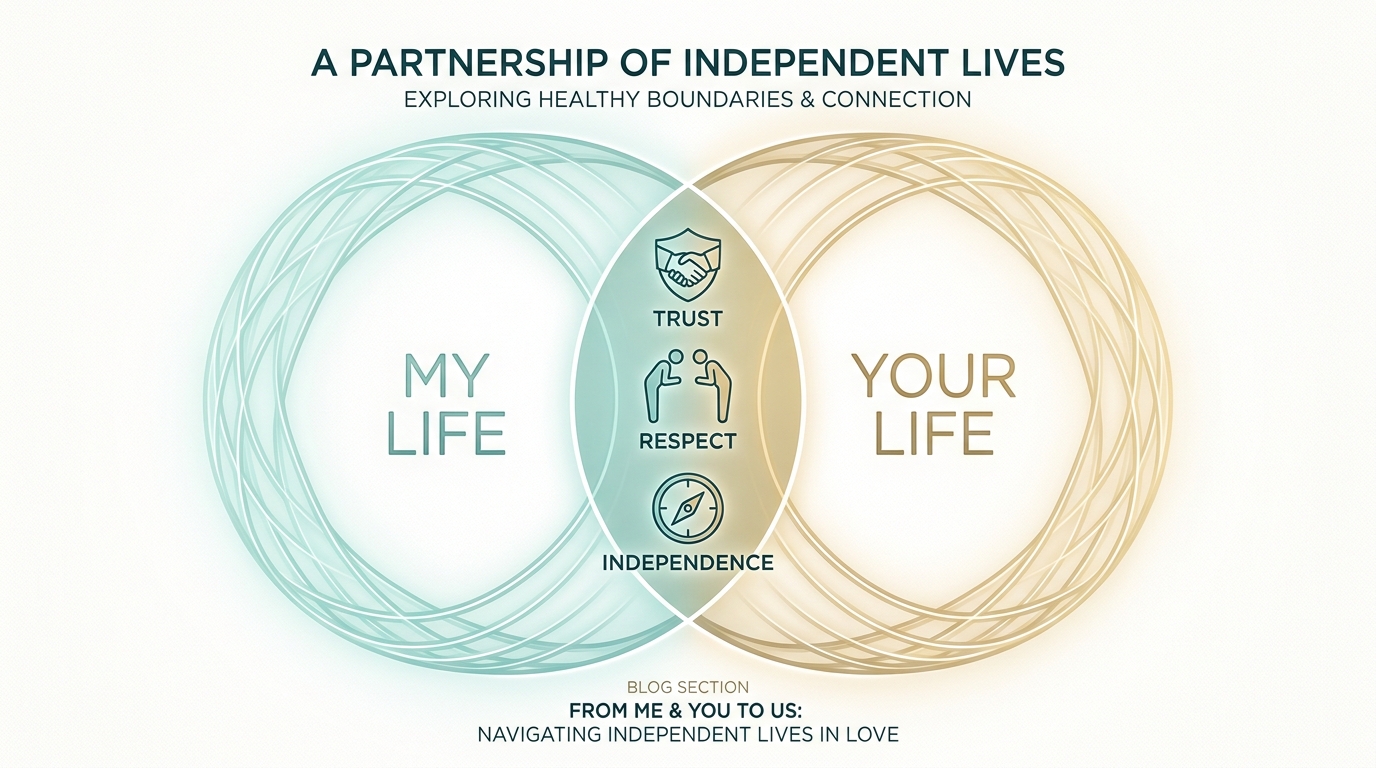
Recognising Red Flags and Preserving Your Peace
As you navigate dating over 60, you may encounter individuals who have different expectations regarding intimacy and commitment. Physical affection and consent are areas where boundaries must be crystal clear. Respecting different comfort levels is a cornerstone of a mature relationship. If someone pushes you to move faster than you’re comfortable with—whether emotionally, physically, or regarding the "exclusivity" talk—it is a sign that they may not value your boundaries.
It is important to recognise the signs of emotional manipulation or possessiveness. If a new partner becomes "huffy" when you spend time with your old friends, or if they constantly check in on your whereabouts, these are repeated boundary violations. In such cases, it is often better to end contact rather than try to "fix" the person. You have worked hard to reach this stage of your life, and you deserve a partner who adds peace, not stress.
Compromise is a natural part of any relationship, but it should never come at the cost of your core values or independence. For instance, you might compromise on which movie to see at the cinema, but you shouldn't have to compromise on your relationship with your children or your financial security. If you notice that your expectations are fundamentally incompatible—such as one person wanting to travel the world in a caravan while the other wants to stay close to their local community—it is okay to acknowledge that the match isn't right. You can find more advice on this in our article about relationship expectations.
Ultimately, your boundaries can and will evolve as trust develops. You might start by meeting only in public, then progress to sharing a meal at home, and eventually planning a trip together to the Great Barrier Reef or the Barossa. This evolution should happen at a pace that feels right for both of you. By staying true to yourself and your needs, you create the foundation for a meaningful relationship built on mutual respect. You can find love in your 50s and 60s without losing the person you have become; in fact, it is your independence and self-assurance that often make you the most attractive to a like-minded partner.