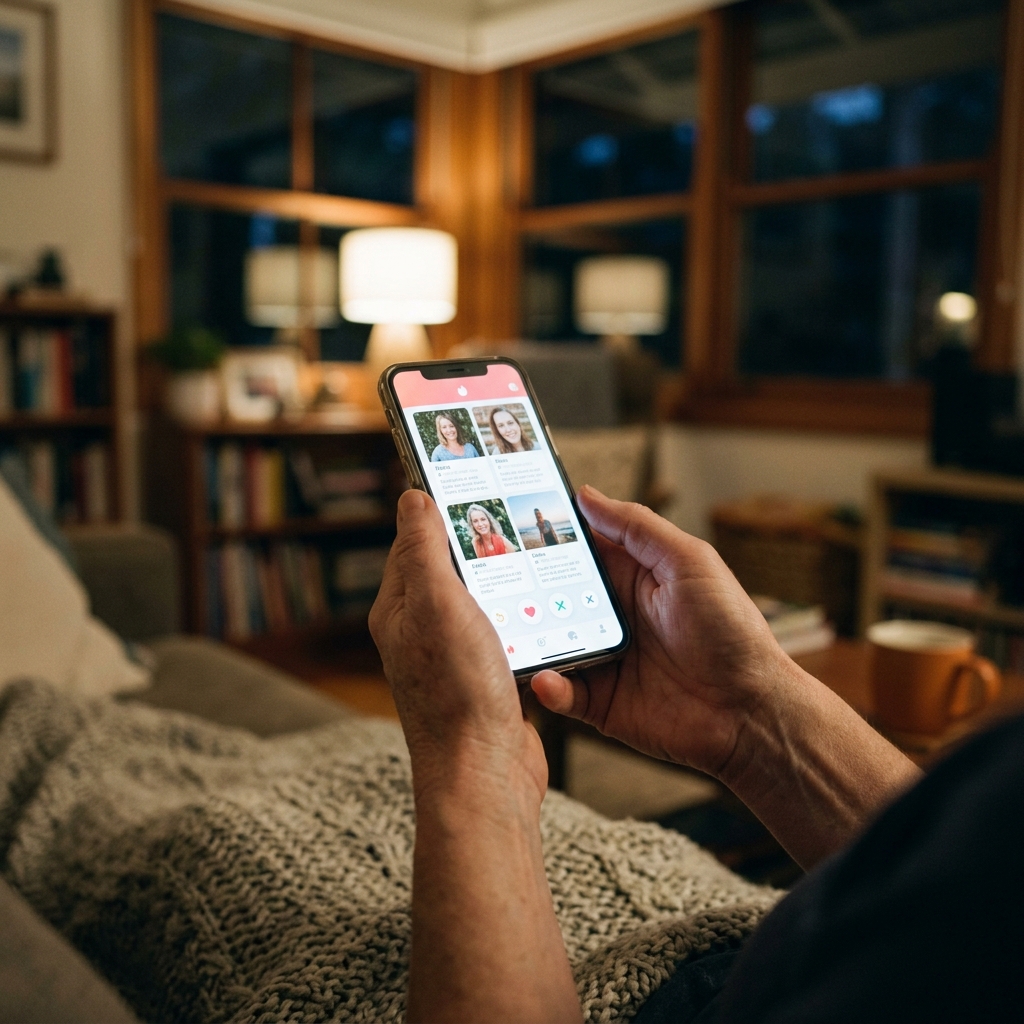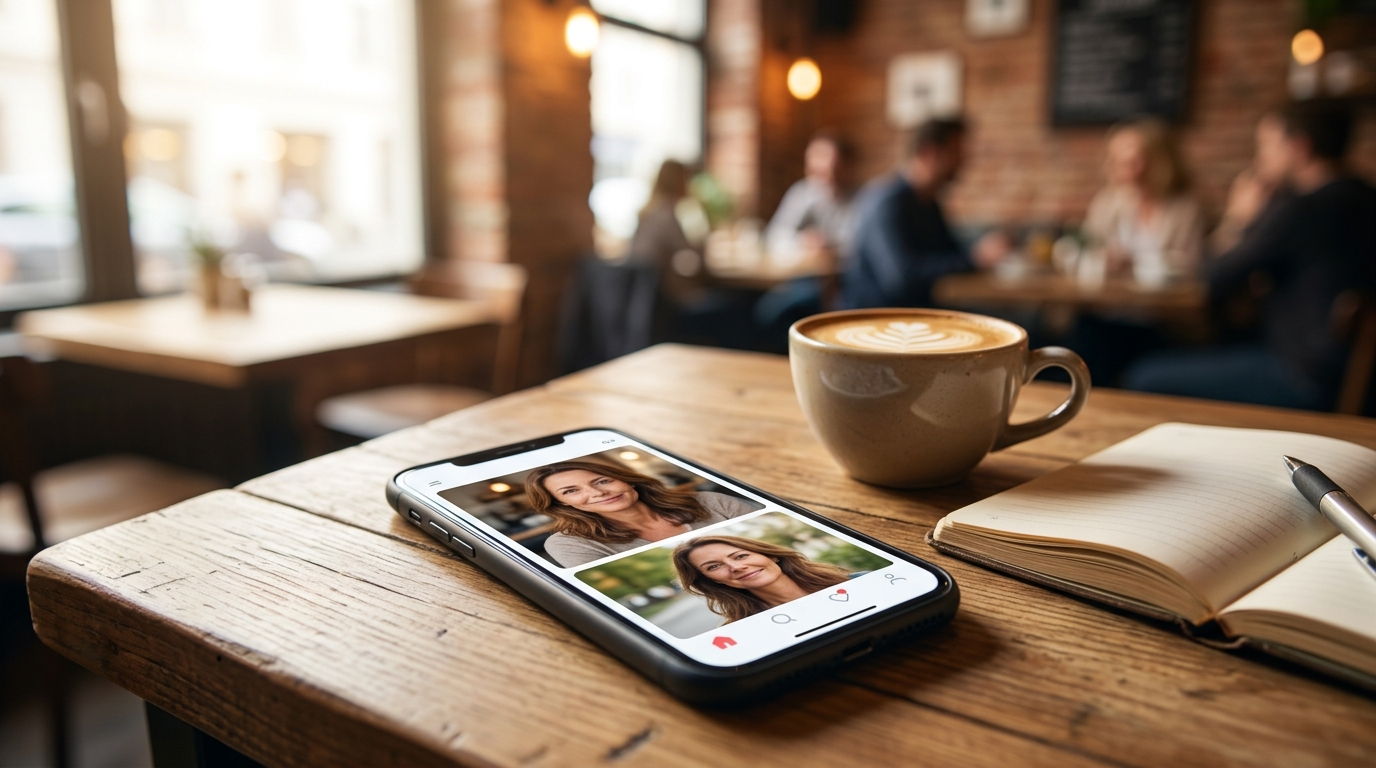
When you start your journey into online dating, your profile photos act as your digital handshake. They are the very first thing someone notices before they dive into your bio or interests. It is completely natural to feel a bit of pressure to get them "perfect," but the truth is that the most successful profiles are not those that look like a professional fashion magazine. Instead, they are the ones that feel authentic, approachable, and truly representative of who you are in your daily life.
The primary goal of your photos isn't to present an idealised version of yourself that doesn't exist. The goal is to be recognisable. When you eventually transition from chatting online to meeting up for a coffee at a local café or a walk along the coast, you want your date to recognise you instantly. There is a specific kind of confidence that comes from knowing your profile accurately reflects your current self, and that honesty sets a much better foundation for a real connection than a collection of highly edited or outdated images.
"Authenticity is the most attractive quality you can project. When your photos match the person who shows up to the date, you build trust before you've even spoken a word."
Choosing the right photos involves a mix of clarity, variety, and a bit of common sense regarding your privacy. You don't need a professional photographer or a high-end camera; your smartphone and a bit of natural light are usually all you need to create a profile that stands out for all the right reasons.
What Makes a Strong Main Profile Photo
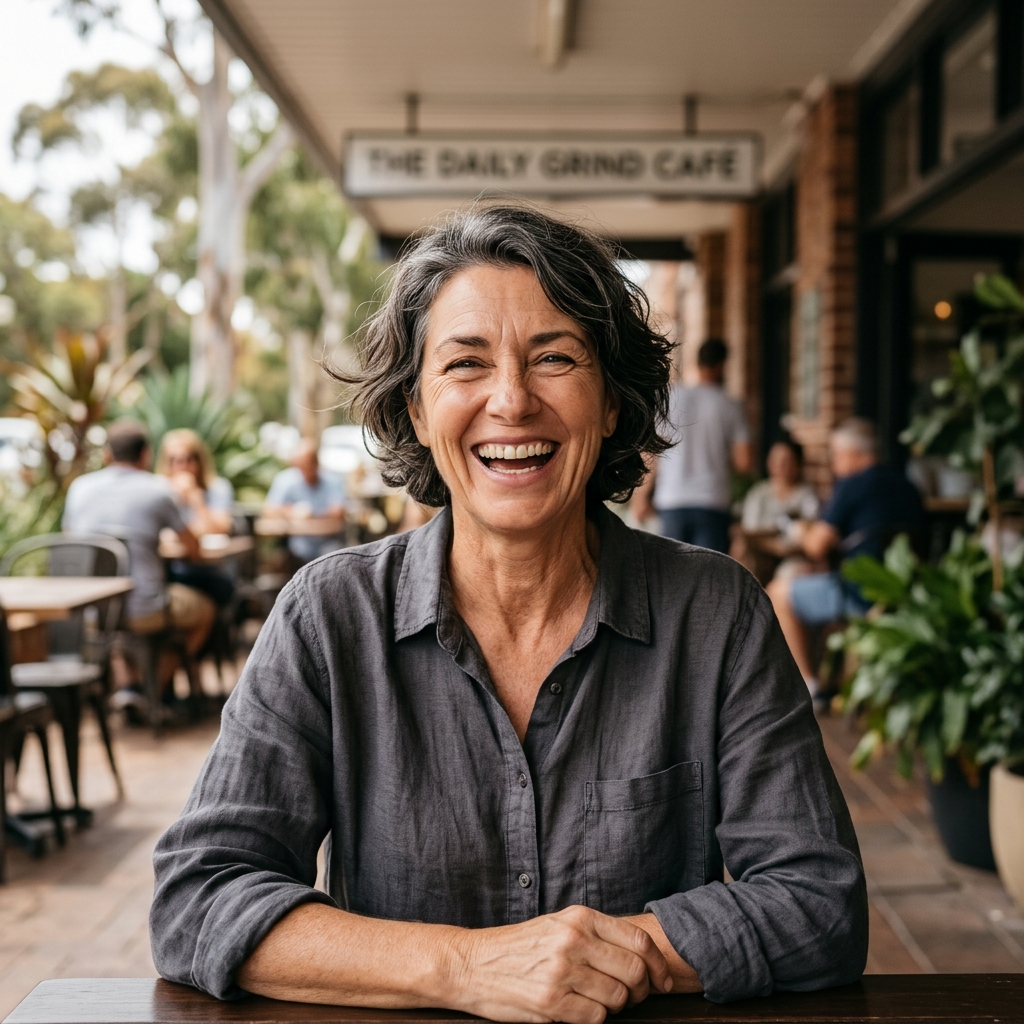
Your first photo is your lead-in. It’s the image that appears in search results and the one that determines whether someone stops to learn more about you. To make a great first impression, your face should be clearly visible and unobstructed. A clear, smiling head-and-shoulders shot is almost always the most effective choice for your primary image. It allows others to see your eyes and your expression without having to zoom in or guess who they are looking at.
Natural light is your best friend when taking these photos. Harsh indoor lighting can create strange shadows, while a flash can often wash out your features. If you can, step outside during the "golden hour"—just after sunrise or before sunset—or stand near a window during the day. This provides a soft, warm glow that feels much more inviting than the clinical light of an office or a dark bedroom selfie.
Common elements of a successful lead photo:
- Eye Contact: Looking at the camera creates a sense of connection and openness.
- Genuine Expression: A relaxed smile is generally more approachable than a "model" pout or a serious stare.
- Simple Backgrounds: You want the focus to be on you, not a cluttered room or a busy street scene behind you.
- No Accessories: Avoid wearing sunglasses or wide-brimmed hats in your first photo. People want to see your eyes and face shape clearly.
It is also vital that this lead photo is recent. We all have that one photo from five years ago where the lighting was just right, but if your hair is a different colour now, or you’ve changed your style significantly, using it can lead to an awkward start when meeting in person. Aim for photos taken within the last six to twelve months to ensure your profile stays current.
Building a Balanced Set of Dating Photos
While the first photo gets the attention, the rest of your gallery tells your story. A well-rounded profile usually consists of four to six distinct photos. This number is generally enough to give a realistic impression of your personality and lifestyle without being overwhelming. If you only have two photos, people might wonder if you are hiding something; if you have twenty, it can feel a bit staged.
Variety is much more important than quantity. Avoid uploading several nearly identical selfies taken from the same angle in your car or bathroom. Instead, think of your gallery as a way to show different facets of your life. This includes a mix of close-ups and full-body shots. A full-body photo doesn’t need to be a "pose"; it could be you standing on a hiking trail, leaning against a park bench, or enjoying a day out at a market. The key is that it feels natural and shows your general style and stature in a relaxed way.
Examples of a balanced photo set:
- The "Activity" Shot: A photo of you engaged in a hobby, such as gardening, cooking, or playing a musical instrument. This provides an immediate conversation starter.
- The "Social" Vibe: A relaxed photo at a café or a backyard barbecue. It shows you in a comfortable, social environment.
- The "Full-Length" View: An unposed shot of you out and about, perhaps on a weekend walk, showing your personal style.
- The "Personality" Close-up: A secondary shot that might be a bit more candid—perhaps you’re laughing at something off-camera.
Showing your interests helps potential matches see how you spend your time. If you mention in your bio that you love the outdoors, including a photo of you at a local national park or at the beach reinforces that personality trait. This consistency between your words and your images makes your profile feel more cohesive and trustworthy.
Avoid the temptation to use heavy filters or excessive editing. While it might be tempting to smooth out every blemish or brighten your eyes artificially, it often creates an "uncanny" look that feels less human. People are looking to connect with a real person, imperfections and all. Authenticity is far more engaging than a digital mask.
Common Photo Mistakes and Privacy Considerations
Even with the best intentions, certain types of photos can hinder your chances of making a good connection. One of the most common mistakes is the over-reliance on group photos. While it is great to show that you have friends and a social life, if your first three photos are all group shots at a pub, a potential match has to play a guessing game to figure out which one is you. Use group photos sparingly, perhaps as your fourth or fifth image, and ensure you are clearly the focus.
Warning: Safety and Privacy
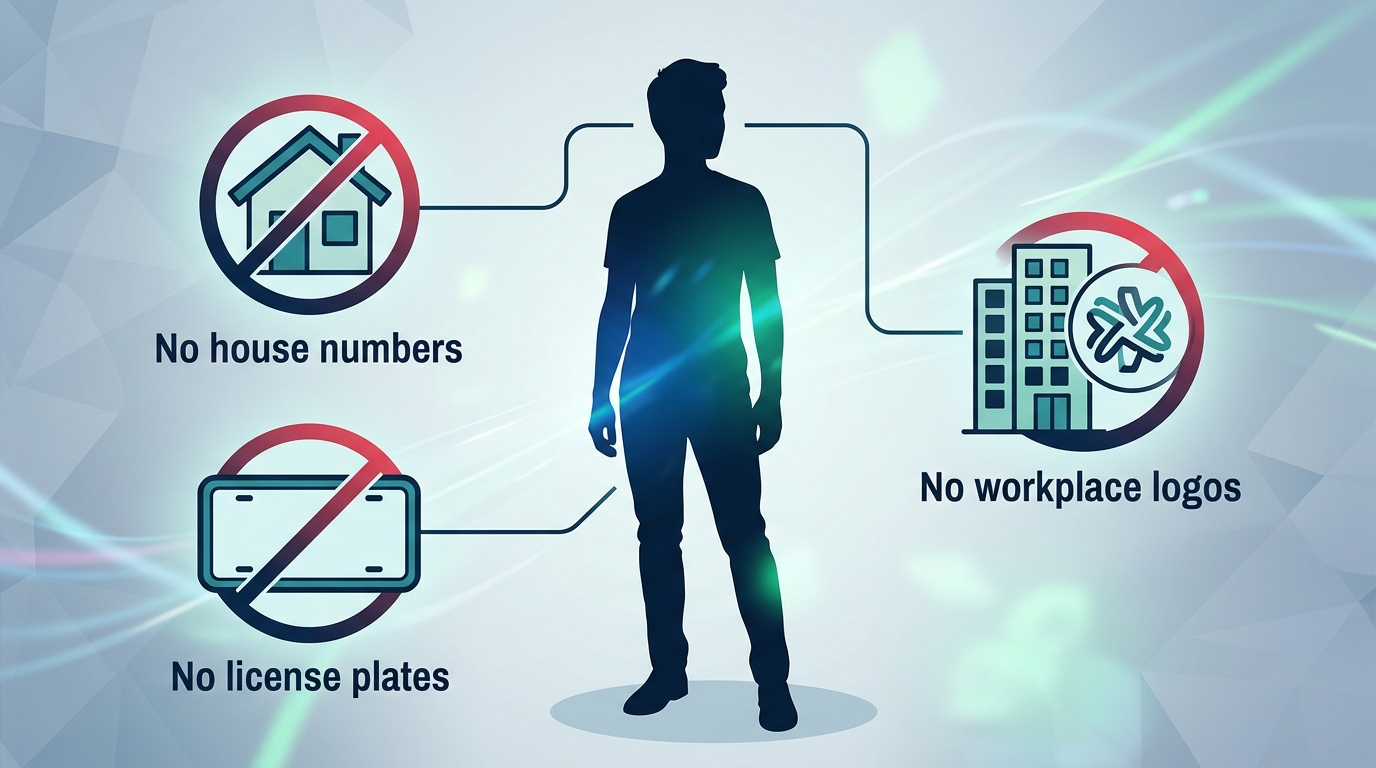
When choosing your photos, always keep your personal safety in mind. Be mindful of what is in the background of your images. It is easy to accidentally reveal sensitive information that you might not want a stranger to have just yet.
- Avoid photos where your house number or street name is visible in the background.
- Be cautious with photos showing your workplace, office logos, or professional ID badges.
- Avoid images with your car’s number plate clearly visible.
- Consider the privacy of others; it is generally best to avoid including children in your dating profile, or at least blur their faces to protect their privacy.
Including other people in your photos deserves careful thought. If you are featured with an ex-partner (even if they are cropped out) or have your arm around someone of the opposite gender, it can sometimes send confusing signals to people viewing your profile. It is usually simpler to keep the focus on you and your life as an individual.
Finally, consider the "staged" factor. There is a big difference between looking polished and looking like you are trying too hard. Photos that look like they belong in a corporate brochure or a high-fashion shoot can sometimes feel intimidating or even fake. Most people are looking for a partner to share everyday moments with, so photos that feel like real moments—even if they aren't "perfect"—tend to perform much better. A photo of you laughing with a messy plate of brunch in front of you is often more attractive than a stiff, formal portrait because it shows you are someone they can actually imagine spending time with.
Ultimately, your dating profile photos should help someone recognise you and get a realistic sense of your personality. By choosing clear, recent, and varied images that show you in your natural element, you invite people to get to know the real you. The strongest first impression doesn't come from looking perfect; it comes from being yourself and appearing ready to meet someone new with honesty and confidence.