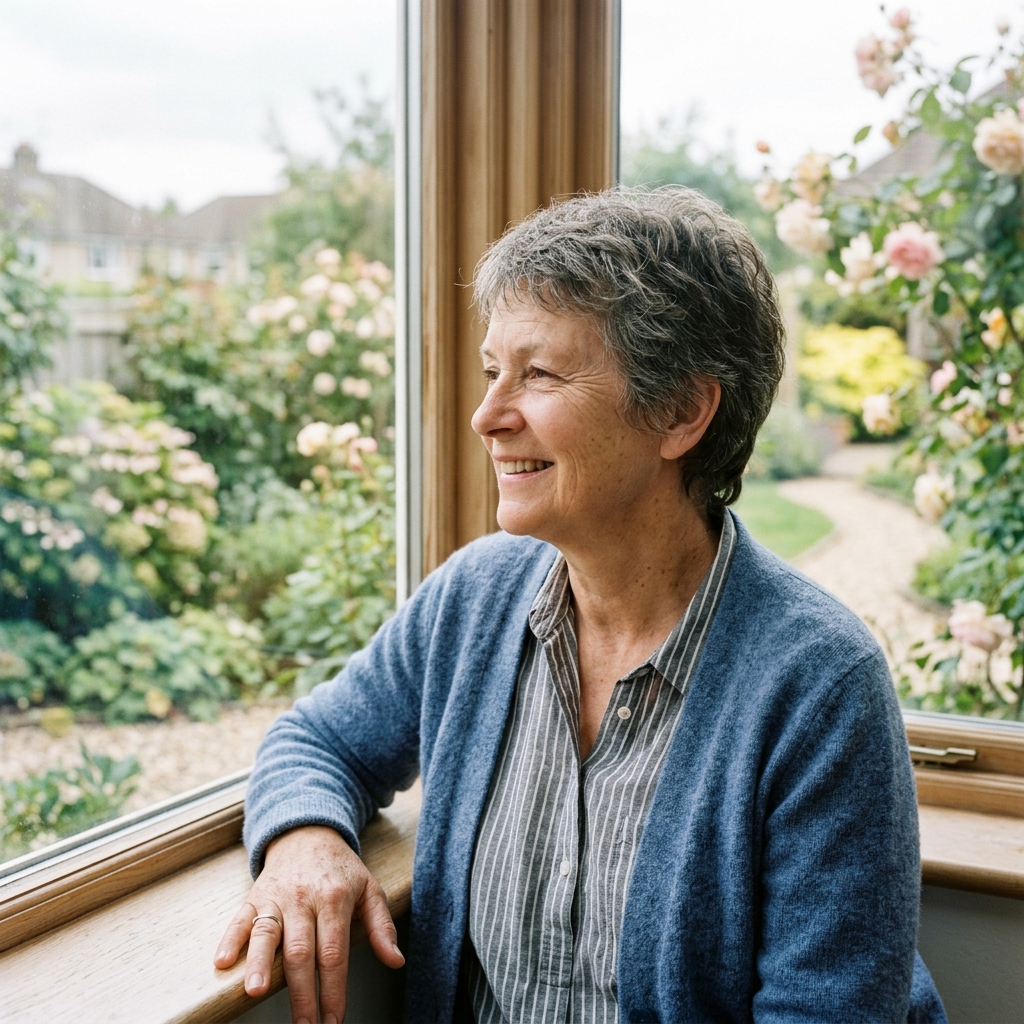
Entering the dating world after 60 often feels like stepping into a brand-new landscape where the old maps no longer apply. For many years, you might have followed a traditional path: finding a partner, building a career, perhaps raising a family, and planning for the long term. Now, as you navigate this chapter of your life, you might find that your motivations have shifted significantly. The beauty of dating in your 60s is that the pressure to meet societal milestones—like buying a first home or starting a family—has largely evaporated. This leaves you with a profound sense of freedom to decide exactly how a partner fits into your world.
Why relationship goals can look different after 60
In your 60s, you are likely more settled in your identity than you were in your 20s or 30s. You have spent decades refining your tastes, establishing your routines, and perhaps nurturing a community of friends and family. Because of this, the "why" behind dating often changes. It is no longer about building a life from scratch; it is about enhancing the life you already have. For some, this means finding a "co-pilot" for travel and adventures, while for others, it means finding someone to share a quiet Sunday breakfast with after a morning walk along the beach.
Your previous relationships, whether they ended through divorce, separation, or the loss of a spouse, play a major role in shaping your current expectations. These experiences provide a wealth of wisdom. You know what you can live with and, more importantly, what you can’t live without. You might have a newfound appreciation for your independence and a hesitation to give up the peace of your own home. This is perfectly natural. It is not a sign of being "set in your ways" in a negative sense, but rather a reflection of your hard-earned self-knowledge.
- Lifestyle alignment: Whether you are planning to spend your retirement as a "grey nomad" exploring the Australian Outback or you prefer staying close to your local bowls club and grandkids, finding someone whose lifestyle meshes with yours becomes a priority.
- Personal Space: After years of compromising on everything from the temperature of the house to what is for dinner, the value of having your own space cannot be overstated.
- Emotional Maturity: At this stage, many people prioritise emotional support and genuine connection over the intense, often volatile "spark" of younger years.
There is also the reality of family dynamics. Many over 60 have adult children and grandchildren who occupy a central place in their lives. A new relationship has to exist alongside these existing bonds. You aren't just a partner; you are a parent, a grandparent, and a friend. Balancing these roles requires a relationship model that is flexible and respectful of your prior commitments.
Companionship, commitment and everything in between
One of the most liberating realisations you can have is that there is no single "right" way to be in a relationship. The traditional model of moving in together and merging finances is just one option among many. Today, a growing number of Australians over 60 are choosing "Living Apart Together" (LAT). This is a committed, serious relationship where both partners maintain their own separate residences. It allows for deep emotional intimacy and regular time together while preserving individual autonomy and routines.
On the other hand, you might find that you are looking for companionship—a "plus one" for social events, a partner for the cinema, or someone to chat with on the phone most evenings. This doesn't mean the relationship is "lesser." It simply means the focus is on shared experiences and reducing social isolation rather than building a shared domestic life. Conversely, you might still crave the traditional path of cohabitation or even marriage, finding comfort in the constant presence of a partner in your home.
"The goal of dating later in life isn't necessarily to find someone to grow old with—since you are already there—but to find someone who makes the 'now' feel more vibrant and meaningful."
Consider these realistic examples of how modern relationships can look:
- The LAT Duo: A couple in Brisbane has been together for five years. They spend four nights a week together, alternating between their homes, but they both value having their own space to pursue separate hobbies and host their own families. They are fully committed but have no plans to move in together.
- The Activity Partners: Two people meet and decide that they primarily want a companion for bushwalking and overseas travel. They enjoy each other's company immensely and see each other twice a week, but they keep their finances and daily lives entirely separate.
- The Evolving Connection: Someone enters the dating scene thinking they only want something casual and light-hearted. However, after meeting a particular person, they find their feelings deepening and eventually decide they want a more traditional, committed partnership.
- The Respectful Mismatch: Two people realise they have different needs—one wants to move in together while the other wants to stay independent. Instead of it being a "dealbreaker," they have an open, respectful conversation about whether they can find a middle ground that respects both their boundaries.
It is important to remember that independence is not the same as emotional distance. You can be deeply in love and completely committed to someone while still choosing to sleep in your own bed or keep your Saturday mornings for your own social circle. Your relationship should serve your happiness, not follow a template that feels restrictive.
How to understand and communicate what you want
Understanding what you want starts with a bit of honest self-reflection. Ask yourself: "On a typical Tuesday, how much of my time do I want to spend with a partner?" or "Am I willing to change my living arrangements for someone else?" There are no wrong answers. Clarity about your own needs makes the dating process much smoother because it allows you to filter for compatibility early on.
When you start meeting new people, communication is key, but it doesn't have to feel like a formal interview. You can share your preferences naturally as you get to know someone. For instance, instead of saying "I never want to live with anyone again," you might say, "I’ve really grown to love the peace of my own place and the routine I’ve built here." This opens a door for the other person to share their own perspective without feeling pressured.
Warning: Never assume that the person you are dating wants the same thing as you just because you are in the same age bracket. Someone might be looking for a replacement for a long-term marriage, while another might be revelling in their first taste of freedom in decades.
It is also vital to allow yourself the grace to change your mind. You might start out wanting a very serious, live-in relationship and then realise that you actually prefer your own company more than you thought. Or, you might think you only want a casual companion and then find yourself wanting to share every detail of your life with someone. Preferences can and do change as a relationship develops and trust is built. Staying open-minded is important, but so is staying true to your core needs.
If you find yourself in a situation where your expectations don't align with your partner's, don't view it as a failure. It is simply a matter of different life stages and needs. Discussing these differences respectfully is a sign of maturity. Sometimes, a compromise can be found; other times, you might realise that you are looking for different things, and that is okay too.
Ultimately, dating over 60 is about finding a level of closeness and commitment that fits your specific life. Whether that is a traditional marriage, a "Living Apart Together" arrangement, or a deep friendship based on shared interests, the "correct" relationship is the one that makes you feel supported, respected, and happy. Focus on finding someone who complements your life rather than someone who requires you to change it, and you will find that this chapter of dating can be one of the most rewarding yet.