Why retirement can change what you want from a relationship
Retirement is often described as a finish line, but for many, it is actually the start of the most personal chapter of life. When you no longer have the structure of a career or the daily responsibilities of raising a young family, the way you view connection shifts significantly. In your 60s and beyond, the focus often moves away from "building a life" in the traditional sense—buying houses or climbing ladders—and toward sharing a life that is already well-established. You might find that your priorities have evolved; where you once sought a partner to help navigate the chaos of middle age, you may now be looking for someone who simply makes the quiet moments more meaningful.
Having more free time is a double-edged sword. On one hand, it creates a wonderful opportunity to date without the pressure of a ticking clock. You can take the time to truly get to know someone over long lunches, mid-week coastal walks, or a shared interest in local history. However, this abundance of time also means that you are more aware of how you spend it. When you are retired, your hours are your own, and choosing to share them with a new person is a significant decision. You may find yourself more selective because you value your hard-earned peace and the freedom to choose your own pace.
"Retirement isn't about filling time; it's about choosing who and what is worthy of your time."
For many, this stage of life is also a period of reflection. You might be reconsidering what a fulfilling relationship looks like for you. It doesn't have to follow the old-school path of dating, moving in, and merging everything. Instead, it can be a bespoke arrangement that suits your current needs. Whether you are looking for a travel companion, a "plus one" for social events, or a deep emotional bond, the absence of workplace stress allows you to approach dating with a level of clarity and honesty that was perhaps impossible twenty or thirty years ago.
Common shifts in perspective during this time:
- Valuing shared experiences over shared assets.
- Prioritising emotional intelligence and easy conversation.
- A desire for companionship that doesn't compromise personal freedom.
- Looking for someone whose energy levels and health outlook align with your own.
How to build a relationship around two established lifestyles
By the time you reach your 60s, you have likely spent decades honing your habits and routines. You have a particular way you like your morning coffee, a preferred side of the bed, and a social circle that feels like home. When two people with such deeply ingrained lifestyles meet, the goal isn't necessarily to "blend" into one unit, but to find a way for two distinct lives to run alongside each other harmoniously. This requires a high degree of transparency and a willingness to discuss things that younger couples might overlook.
Take, for example, the difference in how people envision their retirement years. One person might have spent years dreaming of being a "grey nomad," hitting the road in a caravan to explore the vast landscapes of the Top End or the Nullarbor. Meanwhile, the other might have finally found the perfect home in a quiet suburb and wants nothing more than to spend their days in the garden or volunteering at the local community centre. Neither of these dreams is wrong, but they are different. Success in a new relationship often depends on discussing these visions early on. It is about finding a middle ground—perhaps one person joins for short trips while the other keeps their home base, or they find a totally new hobby that satisfies both the urge for adventure and the need for comfort.
Family dynamics are another crucial factor. Many singles in their 60s are deeply involved with their adult children or grandchildren. You might have a standing commitment to pick up the grandkids from school every Thursday or spend every second weekend helping out with family projects. A new partner needs to understand and respect these existing bonds, just as you must respect theirs. It is important to communicate how much space your family occupies in your life so that a new partner doesn't feel like they are "competing" for your time. Balancing the role of a devoted grandparent with that of an active partner is a delicate but rewarding dance.
Points to discuss openly with a potential partner:
- Travel expectations: Do you want to see the world or see your own backyard?
- Social batteries: Is your calendar full of community events, or do you prefer quiet nights in?
- Lifestyle costs: Without giving financial advice, it is helpful to know if you both have similar ideas about dining out, holidaying, and daily spending.
- Family commitments: How much time is non-negotiable for children and grandchildren?
Warning: Be careful not to fall into the trap of trying to be "everything" to a new person too quickly. It is tempting to drop your usual routines to spend every waking moment together in the early stages, but this can lead to burnout or the loss of the very independence that makes you who you are. Keep your Tuesday morning bowls club or your Saturday morning market run; a healthy relationship should add to your life, not replace the parts of it you already love.
Creating a balance between companionship and independence
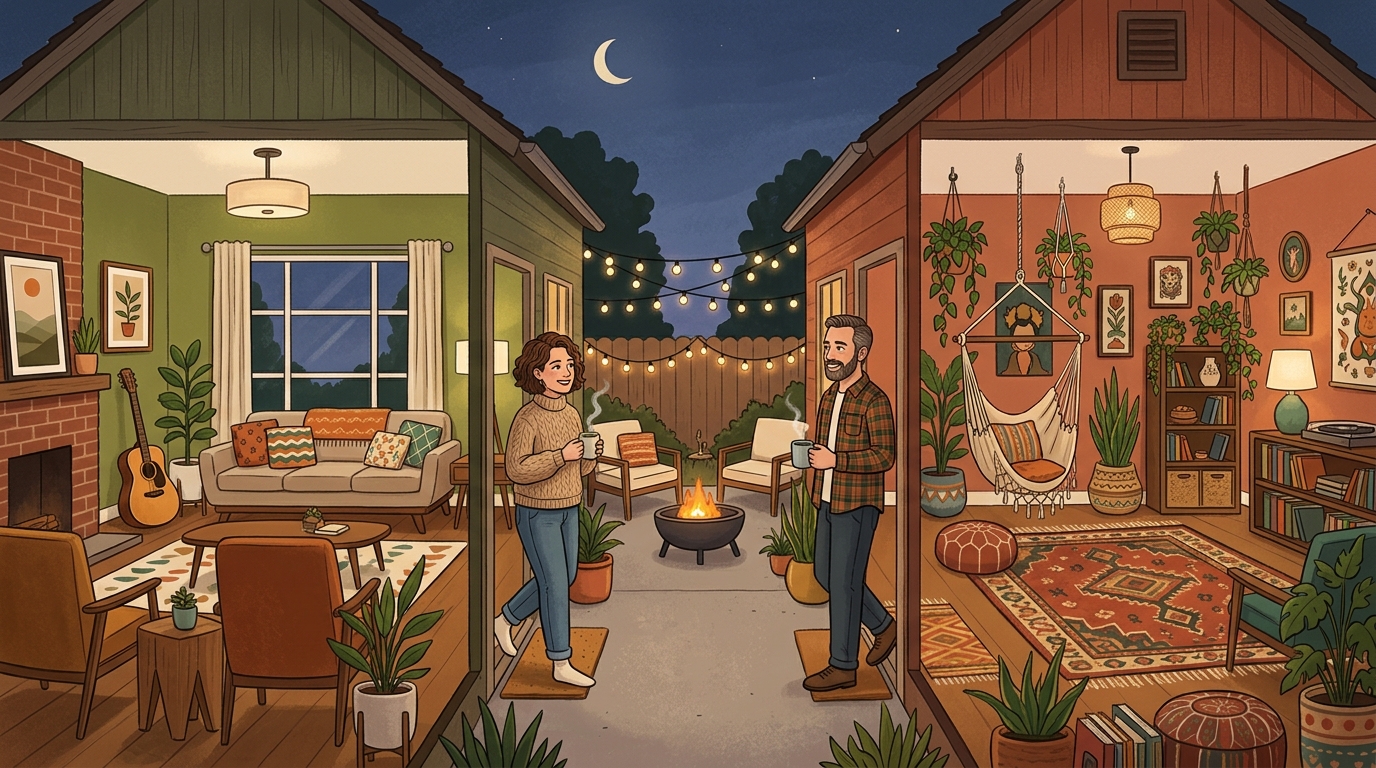
One of the most liberating aspects of dating later in life is the realization that there are no "rules" you have to follow. You don't have to get married or even live together to have a deeply committed and loving relationship. Many modern retirees are opting for a model often called "Living Apart Together." This allows both partners to enjoy the intimacy and support of a relationship while maintaining their own homes, their own décor, and their own personal space. This can be a perfect solution when two people have very different day-to-day routines or when they simply value the sanctuary of their own four walls.
Personal space remains vital, perhaps even more so when both partners are retired and have more available time. If you both have "all day, every day" free, it can be easy to become over-reliant on each other for entertainment. Encouraging each other to maintain separate hobbies—whether that’s one person at the local men's shed and the other at a choir rehearsal—actually strengthens the bond. It gives you something new to talk about when you do come together and ensures that neither person feels smothered.
Flexibility is the final, essential ingredient. As you navigate your 60s, 70s, and beyond, circumstances can change. Health needs might shift, family responsibilities may increase, or your desire for certain types of activity might evolve. A relationship built on open communication and mutual respect can weather these changes. Instead of assuming that your partner wants the exact same thing as you, keep asking questions. "How are you feeling about our routine?" or "Is there something new you'd like us to try together?" are simple ways to ensure you stay aligned.
A few realistic examples of modern retired relationships:
- A couple who lives in separate suburbs but spends four nights a week together, alternating between houses.
- Two people who share a passion for bushwalking and spend their weekends exploring trails but keep their weekdays for their own individual social lives.
- A pair where one partner is still working part-time while the other is fully retired, requiring a balance of different energy levels and schedules.
Ultimately, dating after retirement is about building a relationship around the life you actually want to lead now, rather than the one you thought you were "supposed" to have years ago. It is an opportunity to be authentic, to set your own boundaries, and to find joy in a way that fits your current pace. Whether it leads to a shared home or a shared calendar of adventures, the most successful relationships at this age are those where both people feel seen, respected, and free to be themselves. The goal is to create a partnership that enhances your retirement, making this chapter not just about relaxation, but about genuine, meaningful connection on your own terms.