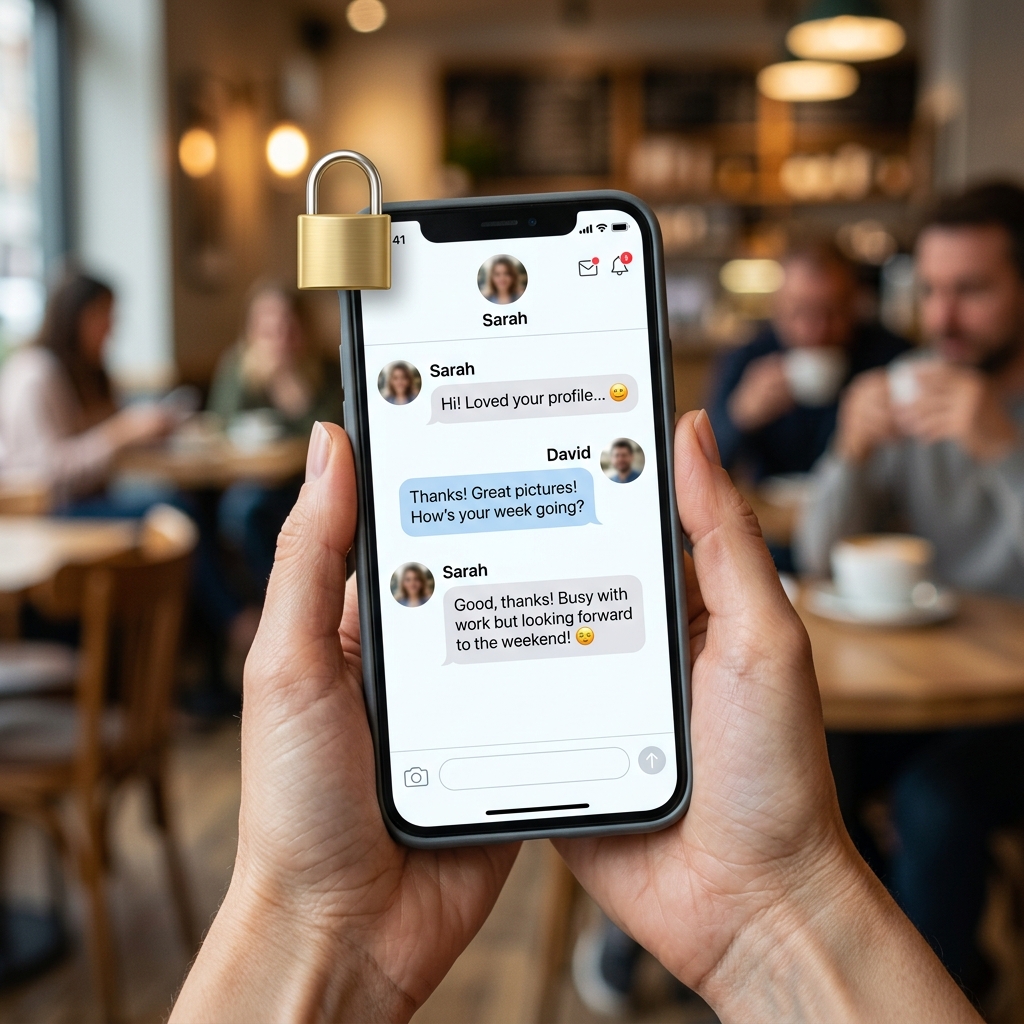
Finding a genuine connection online is an exciting journey, and for many people in Australia, it is the most common way to meet a new partner. When you have spent weeks or even months building a rapport with someone, you naturally start to feel a sense of trust and emotional investment. However, this is precisely why a request for financial assistance can be so difficult to navigate. If the person you are chatting with suddenly mentions a financial crisis, it can feel like a test of your character or your commitment to the relationship. You want to be helpful and supportive, but in the digital world, any request for money should be treated with the utmost seriousness.
Financial requests in online dating often don't appear out of thin air. They are frequently introduced gradually. The person might first mention a "tough day at work," a "delay in a contract payment," or a "minor medical issue" without asking for anything. This builds a foundation of sympathy. By the time a direct request for funds is made, you already feel like you understand their situation. This emotional groundwork is what makes the eventual request feel convincing; you aren't just sending money to a stranger, you are helping someone you feel you know.
"Real relationships are built on mutual respect and honesty. A request for money early in a relationship—especially before meeting in person—is a significant boundary violation that requires immediate attention."
It is important to remember that asking for money is not a standard part of the getting-to-know-you phase. While everyone faces financial hurdles occasionally, genuine individuals are usually hesitant to ask a new romantic interest for help due to the social stigma and the desire to make a good impression. If someone is comfortable enough to ask you for financial help before you have even shared a meal or met in person, you must pause and evaluate the situation objectively.
Common scenarios and the pressure of urgency
The reasons provided for needing money can often seem incredibly plausible and are frequently tied to high-stress situations. In an Australian context, these stories might involve someone working in a remote location—such as a FIFO (Fly-In-Fly-Out) site—who claims they have lost their wallet or cannot access their bank account due to technical issues. Other common examples include:
- The Emergency Travel Cost: The person claims they finally have time to visit you, but a sudden family emergency or a last-minute flight price hike means they are just a few hundred dollars short.
- The "Blocked" Account: They might claim their bank account has been frozen for a security audit and they need a "small amount" via a gift card or transfer to pay for essentials like petrol or groceries.
- The Investment Opportunity: After building trust, they might mention a "guaranteed" way to make money through cryptocurrency or a business venture, encouraging you to "invest" alongside them.
- Medical or Legal Bills: A story about a sudden illness, a car accident, or an unexpected legal fee that requires immediate settlement.
A major red flag in these scenarios is the sense of urgency. By creating a crisis that needs to be solved "right now," the person is attempting to bypass your logical thinking and trigger an emotional, protective response. They might use emotional pressure, suggesting that if you don't help, you don't really care about them, or that the "future of the relationship" depends on this one favour.
Another warning sign is a request for secrecy. They might ask you not to tell your friends or family about the money, claiming they are "embarrassed" or that "others wouldn't understand our connection." This isolation is a tactic used to prevent you from getting an outside perspective from people who might see the situation more clearly than you do in the heat of the moment.
Warning: Be wary of repeated promises to repay the money. Without independent verification or a long-term, in-person history, these promises are often empty. If someone claims they will "pay you back double" once their inheritance or contract clears, treat this as a high-risk indicator.
How to respond and protect your boundaries
If you find yourself in a situation where someone you met online asks for money, the most important step is to stop and breathe. Do not feel pressured to provide an answer immediately. You have every right to take as much time as you need to think. Here is a practical guide on how to handle the situation:
- Saying No is Okay: You can be kind but firm. A simple response like, "I have a personal rule never to involve money in new relationships," is perfectly acceptable. If the person truly cares about you, they will respect this boundary, even if they are disappointed.
- Avoid the "Test" Payment: You might be tempted to send a small amount (like $50) just to see if they are telling the truth or to "help a little bit." Unfortunately, this often identifies you as someone who is willing to pay, leading to more frequent and much larger requests later.
- Verify the Claims: If they say they are in a specific hospital or stuck at a specific airport, you can independently look up the contact details for those institutions. However, be aware that many stories are designed to be difficult to verify.
- Watch the Reaction: If you say no and the person becomes angry, tries to guilt-trip you, or threatens to stop talking to you, this is a massive red flag. A healthy partner will understand and respect your financial boundaries.
You should be especially cautious about the method of payment requested. Requests for gift cards (such as iTunes, Google Play, or retail vouchers), cryptocurrency, or wire transfers through services like Western Union are major warning signs. These methods are preferred by dishonest individuals because they are virtually untraceable and nearly impossible to reverse once the code or money is sent.
Furthermore, never share your bank account details, credit card numbers, copies of your passport or driver’s licence, or any login passwords. This information can be used for identity theft, which can cause long-term financial damage far beyond the loss of a single payment. If the request happens before you have ever met in person, the risk is significantly higher. Even if you have met once or twice, financial requests should still be approached with extreme caution until a deep, verified, and long-term foundation of trust has been established.
If the person’s story doesn’t add up, or if they continue to pressure you after you’ve said no, the best course of action is to block and report them. Most dating platforms have reporting features specifically for financial solicitation. This helps protect others in the community from experiencing the same situation.
What to do if you have already sent money
If you have already sent money or shared financial information, please know that you are not alone, and there is no reason to feel ashamed. These situations are designed to exploit your best qualities: your kindness, your empathy, and your capacity to care for others. Taking fast action is the best way to mitigate any further damage.
First, contact your bank or payment provider immediately. In Australia, banks have dedicated fraud and security teams. If you sent a bank transfer, they may be able to stop it if you act quickly enough, or at the very least, they can monitor your account for suspicious activity. If you shared credit card details, they will cancel the card and issue a new one.
Second, keep a detailed record of everything. This includes:
- Screenshots of all messages and conversations.
- Receipts for any transfers or gift card purchases.
- The person’s profile details and any phone numbers or email addresses they used.
You can report the incident to official bodies like Scamwatch (run by the ACCC) or the Australian Signals Directorate’s Australian Cyber Security Centre (ACSC) via their "ReportCyber" portal. While they may not be able to get your money back, your report helps Australian authorities track patterns and prevent others from being targeted.
Finally, focus on your emotional wellbeing. It is painful to realise that someone you cared for may have been dishonest with you. It can feel like a double loss: the loss of the money and the loss of the relationship you thought you had. Allow yourself time to process these feelings. Reach out to a trusted friend or a professional counsellor if you feel overwhelmed. Remember that a person’s dishonesty is a reflection of their character, not your intelligence or your worthiness of love.
Genuine relationships are built on a foundation of equality and mutual support, not on financial pressure or urgent demands for cash. By maintaining your boundaries and taking the time to verify the person you are talking to, you protect both your bank balance and your heart. A person who truly values you will value your security and will never want to put you in a position of financial risk.