Stepping back into the dating world after a divorce in your 50s can feel like walking into a room where the furniture has been rearranged while you were away. For many Australians in this age bracket, the last time they were "single" might have been decades ago—a time before smartphones, apps, and the complex social etiquette of modern digital connection. It is perfectly natural to feel a swirl of conflicting emotions: a spark of hope for a new chapter, mixed with a heavy dose of uncertainty, vulnerability, and perhaps even a bit of exhaustion. You are not just looking for a partner; you are navigating a significant shift in your identity.
Unlike dating in your 20s, where the focus is often on building a future from scratch, dating in your 50s is about integrating a new person into a life that is already well-established. You likely have a career, perhaps adult children, a mortgage, and a decade-long routine that you actually enjoy. The emotional impact of ending a long-term marriage cannot be understated. Whether the split was amicable or fraught with conflict, it marks the end of a shared history. Acknowledge that your "dating muscles" might be a bit atrophied, and that is okay. You are entering this space with more wisdom and self-awareness than you ever had in your youth, even if you feel a little less certain about the "rules."
"The goal isn't to find someone to complete your life, but someone to complement the life you have already worked so hard to build."
It is important to recognise that feeling cautious is a sign of healthy self-protection, not a sign that you aren't ready. You might find yourself worrying about repeating old patterns or fearing that you have "forgotten how to do this." These thoughts are common. In Australia, where the "no worries" attitude is often the default, it can feel counter-intuitive to admit you are actually quite worried. But being honest with yourself about your vulnerability is the first step toward finding a connection that is genuine rather than just a distraction from the discomfort of being alone.
How to know you are ready to start again
One of the most frequent questions people ask after a divorce is, "How long should I wait?" There is no statutory Australian waiting period for the heart. Some feel ready after six months, while others need several years. Readiness is less about the date on the calendar and more about your internal motivation. Are you looking for someone because you are genuinely curious about meeting new people, or are you trying to escape the silence of a house that feels too big? Dating from a place of loneliness or a desire for validation often leads to rushed decisions and mismatched connections.
Healing does not mean being "perfectly over it." If we waited until we were 100% healed and free of any emotional scars, no one over the age of 50 would ever date again. Healing is a continuous process. You can still feel a twinge of sadness about your past while being excited about your future. Readiness is when the thought of a first date feels more like an interesting possibility than a terrifying chore. It is when you can talk about your past without it consuming the entire conversation, and when you have clear boundaries about what you will and won't accept in a new relationship.
Signs you might be rushing:
- You feel a desperate need to find a "replacement" for your ex-spouse quickly.
- You find yourself comparing every person you meet to your former partner (positively or negatively).
- You are ignoring "red flags" because you are afraid of being alone.
- You feel exhausted at the mere thought of a conversation but force yourself to go anyway.
Consider the example of a man from Perth who decided to start dating just three months after his twenty-year marriage ended. He jumped into a whirlwind relationship, only to realise six weeks later that he wasn't actually enamoured with the new person—he was just terrified of the quiet Saturday nights. By slowing down, he was able to process the end of his marriage properly before eventually returning to dating with a much clearer head and a better sense of what he actually wanted.
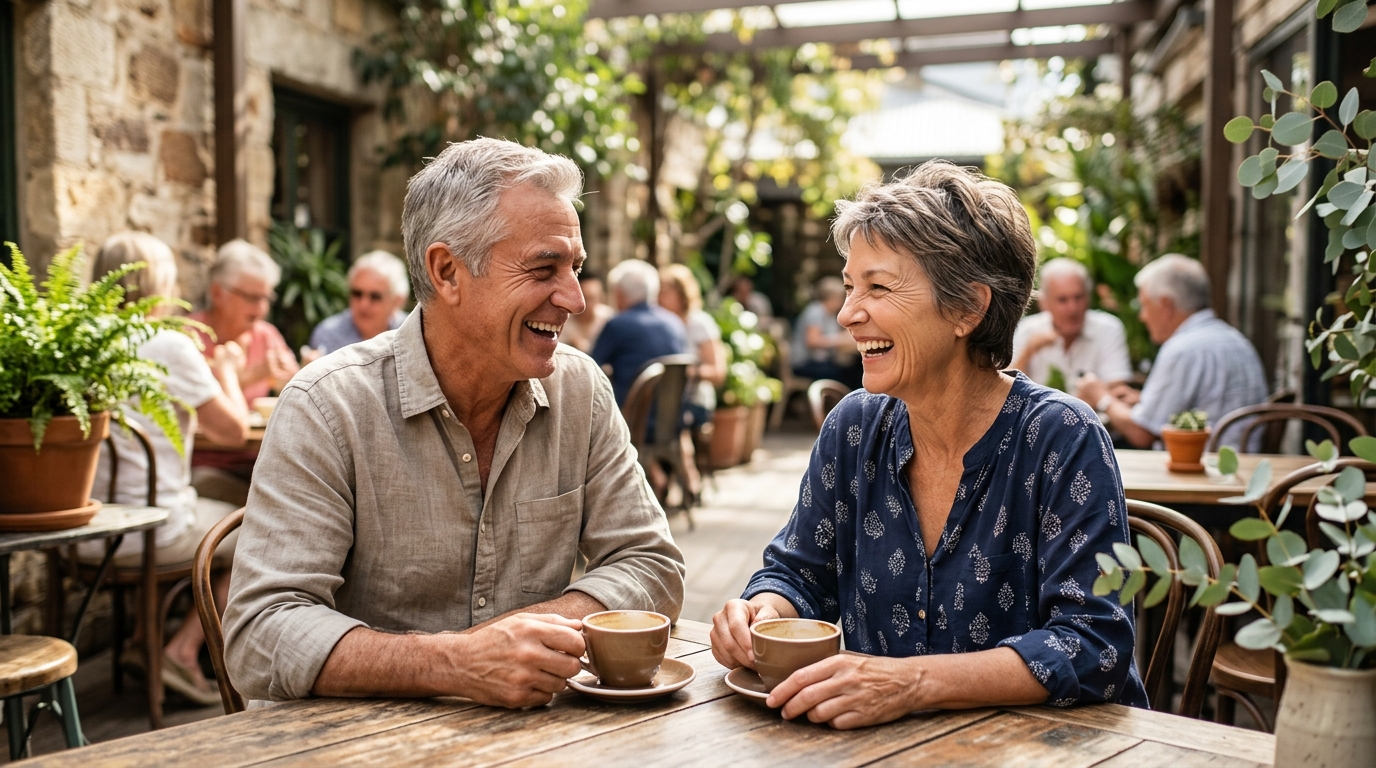
On the flip side, many people find success by keeping things "light and gradual" initially. You might decide to meet people for a quick coffee in a local park or a casual lunch, with no expectation of a second date. This approach allows you to build your confidence without the pressure of finding "the one" immediately. It honours your need for space while staying open to the possibility of companionship.
How to date slowly and build trust without closing yourself off
In your 50s, "not rushing" is a practical strategy for long-term happiness. Taking things slowly allows you to see how a person reacts in different situations—how they handle stress, how they treat service staff, and how they respect your time. It is about building a foundation of friendship before adding the complexities of deep emotional or physical intimacy. This is particularly important when you have an established life. You have your own home, your own social circle, and perhaps adult children who may have their own opinions about your new dating life. Moving at a measured pace helps you integrate these different parts of your world without causing unnecessary friction.
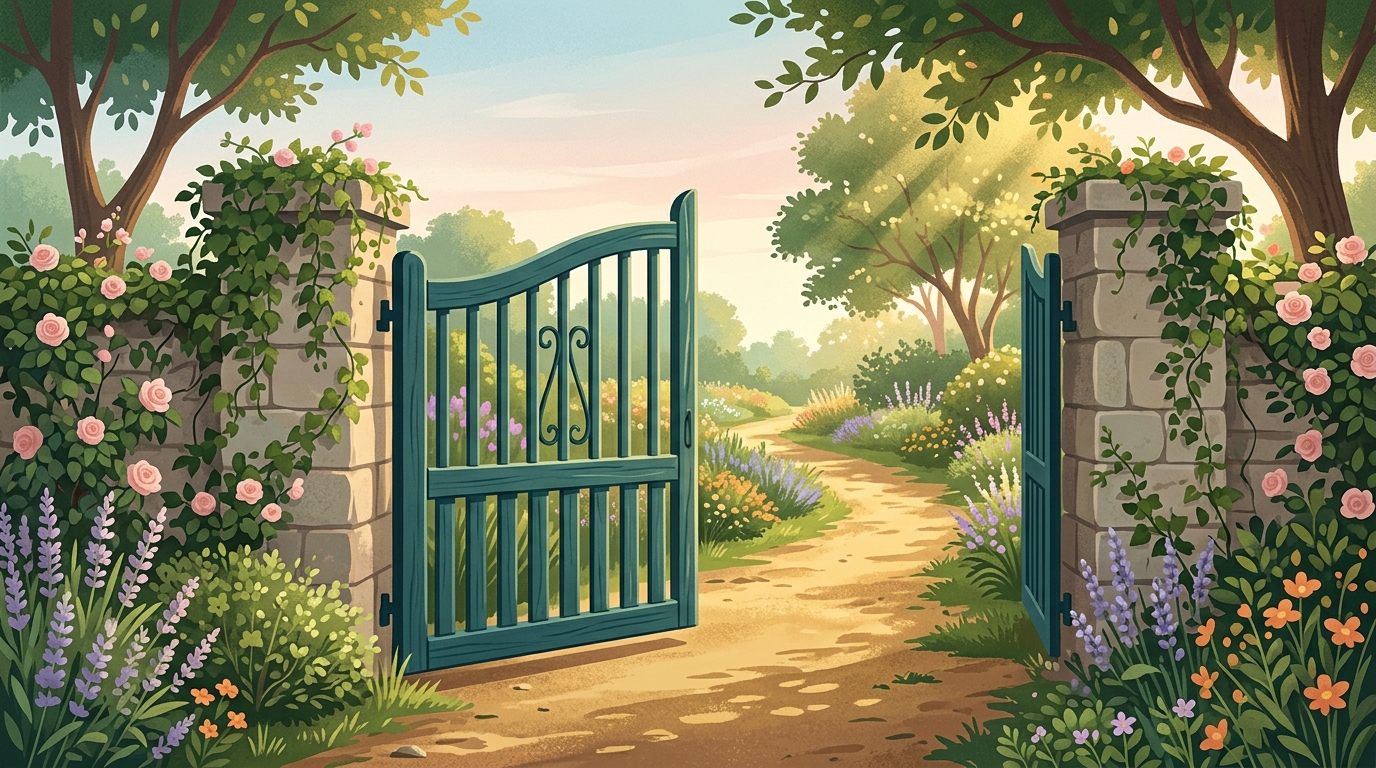
Trust is earned, not given away for free. If you have been burnt in the past, your instinct might be to build a high wall around your heart. While a wall keeps out the hurt, it also keeps out the light. Instead of a wall, think about having a "gate" that you control. You can choose who you let in and how far they can go. For example, a woman in Sydney who was worried about trusting again after a difficult divorce decided to move at a pace that felt emotionally safe. She was upfront with her dates, saying, "I’m enjoying getting to know you, but I like to take things slowly when it comes to commitment." This transparency filtered out those who were looking for something fast and allowed her to build a genuine bond with someone who respected her boundaries.
Communication is your greatest tool. You don't need to share your entire "divorce story" on the first date, but being honest about your intentions is vital. If you aren't looking to get remarried or move in with someone anytime soon, say so. If you value your independence and your Tuesday night bowls club or book group, make that clear. Healthy dating in your 50s is built on the pillars of self-awareness and honesty. You no longer have to play the games people play in their 20s. You can be direct about your needs and your availability.
Practical tips for staying grounded:
- Focus on the present: Try to enjoy the conversation for what it is, rather than interviewing the person for a role in your future.
- Maintain your own life: Don't drop your hobbies or your time with friends the moment you meet someone interesting.
- Listen to your gut: If something feels off, it usually is. Trust your intuition—it’s been decades in the making.
- Prioritise safety: When meeting someone for the first time, always choose a public place and let a friend know where you are. For more information on staying safe while dating online, you can refer to the official advice from the eSafety Commissioner.
Managing the expectations of family and adult children is another unique aspect of dating in your 50s. Your children might be supportive, or they might feel protective of the family dynamic. By not rushing into exclusivity or introducing a new partner to the family too early, you give everyone—including yourself—the time to adjust. A gradual introduction, once you are sure the relationship has legs, is often much smoother than a sudden announcement.
Ultimately, dating after divorce in your 50s is an opportunity to rediscover yourself through the eyes of others. It doesn’t need to be a race to a finish line. By taking your time, seting healthy boundaries, and being honest about your emotional readiness, you create the space for a connection that is grounded in reality rather than just a reaction to the past. Whether you find a lifelong companion, a great new friend, or simply enjoy some interesting conversations over a flat white, moving at your own pace ensures that the journey remains as meaningful as the destination.